Most home improvement work is entirely appropriate for motivated homeowners with the right tools and information. But a specific category of tasks sits outside that range because the consequences of an error are severe, often immediate, and not always survivable. Understanding which tasks fall into the dangerous DIY category is some of the most important home improvement knowledge a homeowner can have.
The Dangerous DIY Electrical Jobs That Belong to a Pro
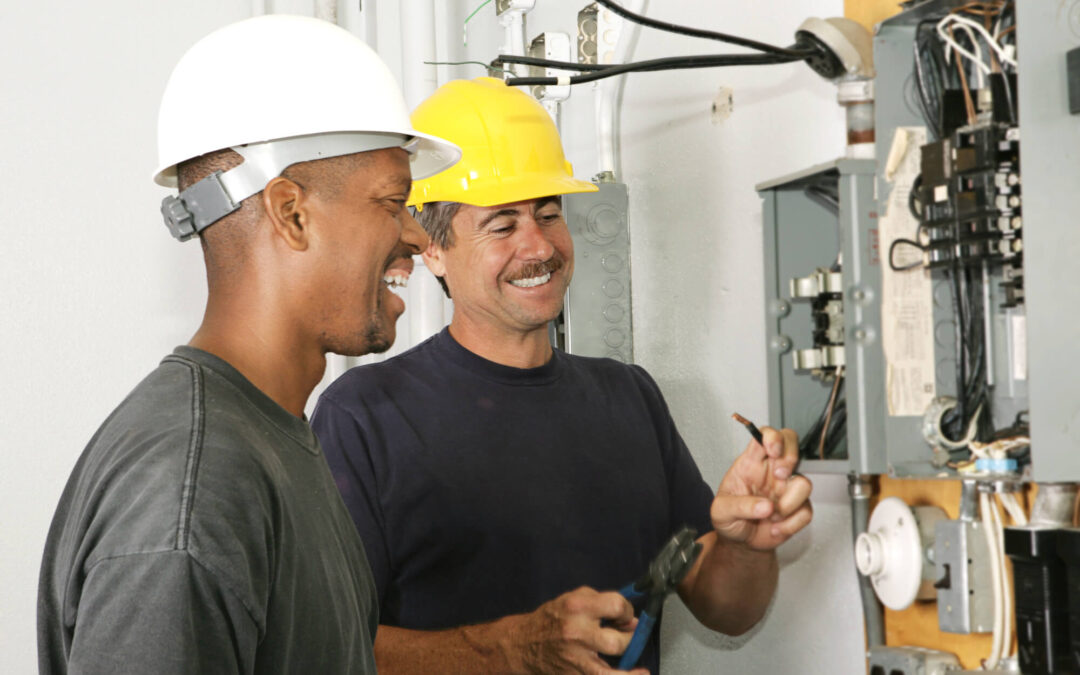
Electrical work is the most consistently dangerous DIY category in residential home improvement. Panel work is where DIY most clearly crosses into life-threatening territory. The electrical panel contains bus bars that remain energized even when the main breaker is switched off; the only way to de-energize them is through the utility company. A homeowner who opens the panel to add a circuit or replace a breaker without understanding this is working in proximity to voltage that could cause cardiac arrest from brief, incidental contact. This is categorically not a place for homeowner experimentation regardless of the tutorial that made it look manageable.
Wiring work inside walls on live circuits carries similar risk. The error most commonly producing serious injury is assuming a circuit is de-energized without verifying with a non-contact voltage tester. The assumption that a tripped breaker means a dead circuit has been responsible for more electrical injuries than almost any other single factor.
Why Roofing Is One of the Most Dangerous DIY Jobs
Falls are the leading cause of home improvement fatalities, and roofing work concentrates every fall risk into a single task, slope, surface variability, the weight of materials being carried, and sustained time at height without a continuous anchor. The dangerous DIY combination of a steep-pitch roof, worn-soled footwear, and an overloaded trip carrying shingles produces falls that happen faster than any instinctive response can prevent. Professional roofers use specific fall protection equipment and staging setups that aren’t typically replicated in DIY attempts. Even gutter cleaning at ladder height is a more dangerous task than most homeowners treat it. Ladder placement on soft ground, overreaching that shifts the center of gravity past the stable zone, and climbing down with hands full of debris produce the falls that emergency rooms see repeatedly through fall and spring.
Gas Lines and Load-Bearing Walls Are Not a Weekend Project
Gas line work and structural modifications are the two remaining dangerous DIY categories that belong consistently in the professional-only column. Any work on gas supply lines, such as connecting a new appliance, extending a line, or addressing a leak, involves flammable gas under pressure in an enclosed space. A fitting that isn’t sealed correctly produces the gas accumulation that requires only a spark to become an explosion. Structural modifications, removing walls, cutting floor joists, or altering the load path of the structure, are dangerous because structural errors are invisible until they aren’t. A wall that turns out to be load-bearing doesn’t announce itself; the ceiling above it eventually does. A floor joist cut without adequate reinforcement may carry load normally for months before deflection becomes structural failure.
Frequently Asked Questions (FAQs)
How do I know if a DIY task is too dangerous for me to attempt?
The most reliable test is whether the failure mode is severe, fast, or irreversible. Painting a room wrong produces a poor result that can be repainted. Wiring a circuit incorrectly could produce a fire that develops invisibly for months. The dangerous DIY threshold is where errors stop being correctable and start being consequential.
What electrical work can homeowners safely do themselves?
Like-for-like replacements on circuits verified as de-energized with a voltage tester, such as replacing an outlet, switch, or light fixture on existing wiring. Any work involving the panel, new circuits, or wiring configuration changes crosses into professional territory in most jurisdictions and at most skill levels.
Is gas appliance connection dangerous for a homeowner?
Connecting a gas appliance using a flexible connector to an existing shutoff valve is within homeowner capability in many jurisdictions with appropriate materials and a thorough leak test. Running new gas lines, adding shutoffs, or working on the supply line itself belongs with a licensed plumber or gas fitter. The distinction is between connecting to an existing verified supply point and working on the supply system itself.
What should I do if I’ve already started a project that turns out to be more dangerous than expected?
Stop at the first point where the work can be left safely, not the most convenient point, but the safest one. A partially disassembled electrical box should be made safe with the breaker off and clearly labeled. Document what’s been done, photograph everything, and consult a licensed professional before proceeding.
Are there dangerous DIY tasks that vary by local code or jurisdiction?
Yes, what a homeowner is legally permitted to do varies significantly by location. Some jurisdictions permit homeowners to do their own electrical work with a permit and inspection; others require a licensed electrician for all but minor work. Checking with the local building department before any structural, electrical, plumbing, or gas work takes five minutes and establishes clearly what requires a professional.
Realistic Home Inspection Services offers inspections in the greater Milwaukee area. Contact us to schedule an appointment for our services.