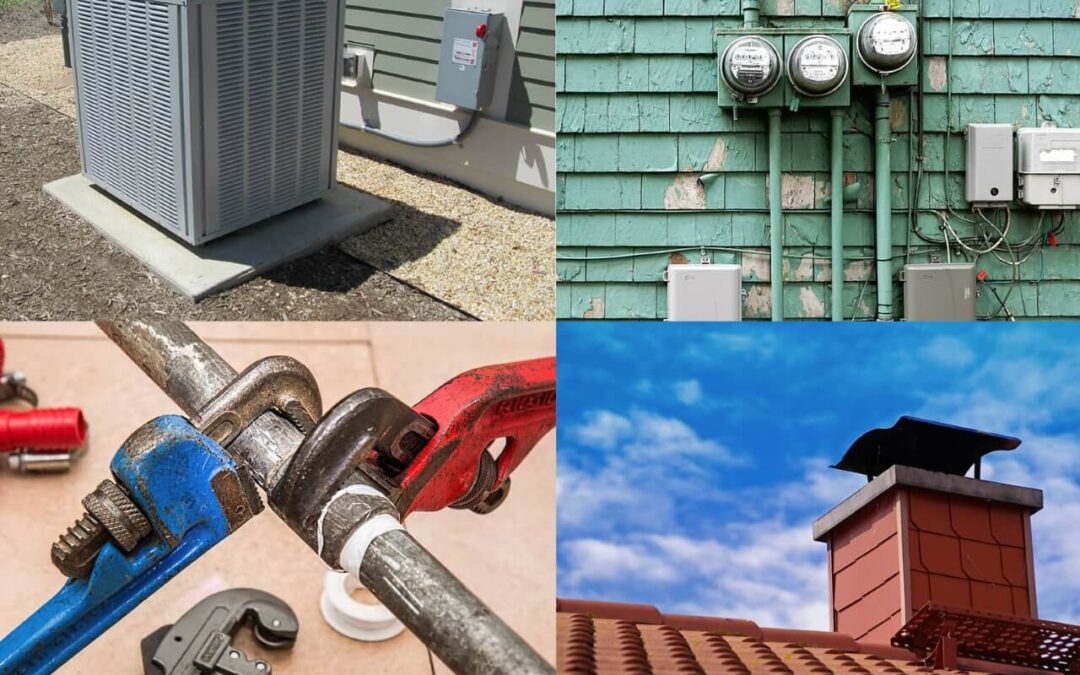
Understanding your home’s major systems is one of the most practical forms of homeowner knowledge available, and one of the least formally taught. Most buyers move into a home knowing what it looks like and what they paid for it, but with limited understanding of how it actually works, how long its components are expected to last, or what early warning signs of failure look like in each system. A homeowner who understands the home’s major systems is better positioned to maintain them proactively, respond effectively when something goes wrong, and make informed decisions about repair versus replacement when aging systems approach end of life
The Home’s Major Systems That Affect Daily Life Most Directly
The electrical system is one of the major systems that most homeowners interact with constantly but understand least. Knowing the location of the electrical panel, understanding how to reset a tripped breaker, and being able to identify whether the panel has adequate capacity for the home’s current use are the electrical basics every homeowner should have. Panels with known safety concerns, Federal Pacific, Zinsco, and certain Pushmatic models, are the systems most worth confirming with a home inspector. The plumbing system is most directly affected by the home’s age and local water quality. Knowing where the main water shutoff valve is located and how to operate it quickly is the plumbing system knowledge that most limits damage when a pipe fails or a fixture supply line leaks. The age and material of the supply piping is the plumbing detail that most affects expected remaining service life.
The System With the Highest Operating Cost
The HVAC system is the category that most directly affects occupant comfort and carries the highest operating cost of any system in most residential homes. A typical forced-air furnace has a service life of fifteen to twenty years; a central air conditioning system fifteen to twenty years; a heat pump approximately fifteen years in most climates. Understanding the age of each component, found on the manufacturer’s label or data plate, gives the homeowner a realistic picture of remaining useful life and the capital planning horizon for replacement. The HVAC maintenance that most extends service life is filter replacement on schedule, every 60 to 90 days in most households, more frequently with pets, and annual professional service that cleans components, verifies combustion quality in gas equipment, and identifies developing conditions before they produce failure. A furnace or air handler that hasn’t been serviced in several years is the condition that most consistently surprises homeowners with a preventable breakdown.
The Home’s Major Systems That Protect Everything Else
The structural system and the roof are the home’s major systems that most directly protect all other systems and the home’s contents from weather. Asphalt shingles have a typical service life of twenty to thirty years. Knowing the age of the roof and scheduling periodic professional inspection, every three to five years and after significant weather events, is the maintenance practice that most consistently prevents the interior water damage that deferred roof attention produces. The structural system includes foundation, framing, and load-bearing elements. This category warrants monitoring for changes over time. Doors and windows that begin to stick, drywall cracks at corners of openings, or gaps between exterior trim and siding are the structural indicators that warrant professional assessment when they develop or change. Most structural conditions are manageable when identified early, and most become significantly more expensive when deferred.
Frequently Asked Questions (FAQs)
How do I find out the age of my home’s major systems?
Most major systems carry the manufacture date on the data plate, label, or serial number. A home inspector or trade professional can typically decode a serial number to identify the manufacture date when it isn’t immediately apparent.
How often should the home’s major systems be professionally serviced?
HVAC equipment benefits from annual professional service. The water heater benefits from annual inspection and periodic flushing. The roof warrants professional inspection every three to five years and after significant storms.
What are the signs that one of the home’s major systems is failing?
HVAC systems show reduced performance, unusual noises, and increased energy consumption. Plumbing systems show reduced pressure, discolored water, and moisture under fixtures. Electrical systems show recurring tripped breakers, flickering lights, and warm switch plates. Roof systems show interior water staining and granule accumulation in gutters.
Should I get a home inspection on a house I’ve owned for years?
Yes, a home maintenance inspection on a home you already own provides the same documented, professional assessment of the home’s major systems that a buyer’s inspection provides at purchase. It identifies developing conditions before they become failures and gives the homeowner a prioritized maintenance and capital planning roadmap.
What is the most expensive system to replace?
The HVAC system and the roof are typically the home’s major systems with the highest single replacement costs.
Realistic Home Inspection Services offers inspections in the greater Milwaukee area. Contact us to schedule an appointment for our services.