
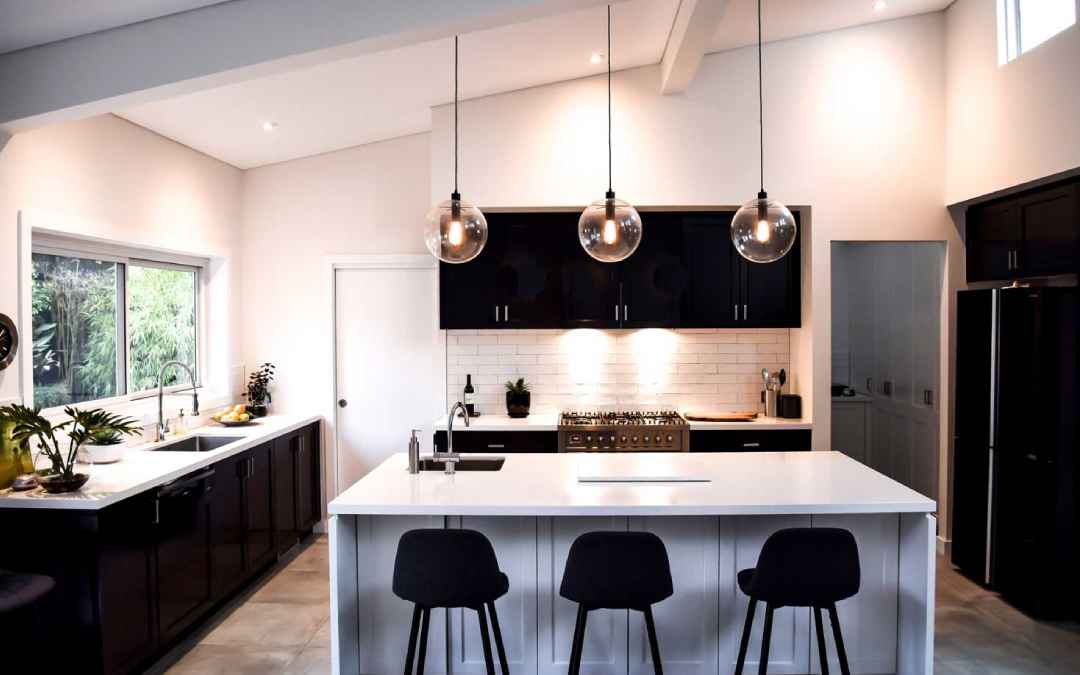
Kitchen lighting plays a powerful role in how a home looks, feels, and functions. It’s not just about being able to see while chopping vegetables or reading a recipe. The right kitchen lighting enhances safety, improves workflow, highlights design features, and creates a welcoming atmosphere for family and guests. Many homeowners invest in countertops, cabinetry, and appliances, but overlook the importance of proper kitchen lighting. Even the most beautifully designed kitchen could feel dull, cramped, or impractical if it’s poorly lit. On the other hand, thoughtful lighting can make a modest kitchen feel spacious, polished, and high-end. Improving kitchen lighting starts with understanding how different light sources work together to support both function and style.
Layered Kitchen Lighting: The Foundation of Great Design
One of the most effective ways to improve kitchen lighting is by using a layered approach. This means combining different types of lighting to serve specific purposes within the space. Ambient lighting provides overall illumination. This is typically achieved with ceiling-mounted fixtures, recessed lights, or flush-mount designs that evenly distribute light throughout the room. Ambient kitchen lighting ensures the entire space feels open and bright. Task lighting focuses on specific work areas such as countertops, sinks, and stovetops. Under-cabinet lighting is a popular choice because it shines directly onto prep surfaces, reducing shadows and improving visibility. Pendant lights over an island also function as task lighting while adding visual interest. Accent lighting highlights architectural features or decorative elements. Interior cabinet lights, toe-kick lighting, or spotlights aimed at a backsplash can add depth and dimension. This layer of kitchen lighting elevates the overall design and gives the space a custom feel.
Choosing the Right Fixtures
Selecting the right fixtures makes a significant difference in both performance and appearance. Scale and placement matter just as much as style. For islands and peninsulas, pendant lights are a popular choice. They provide focused task lighting while serving as a statement feature. The key is proper spacing and height. Fixtures hung too high lose their effectiveness, while those hung too low can obstruct views. Recessed lighting offers a clean and modern look. Evenly spaced recessed fixtures provide balanced ambient kitchen lighting without visual clutter. Under-cabinet lighting is one of the most practical upgrades. It directly addresses shadowing caused by overhead lighting and improves safety during food preparation. LED strips are energy-efficient and long-lasting, making them an excellent investment. Installing dimmer switches allows homeowners to adjust kitchen lighting based on the time of day or activity.
Getting Kitchen Lighting Just Right
Brightness and color temperature significantly affect how a kitchen feels. Lighting that is too cool could make the space feel sterile, while lighting that is too warm may appear dim or yellow. For most kitchens, a color temperature between 2700K and 3000K provides a warm yet clear light that complements cabinetry and countertops. Some homeowners prefer slightly cooler tones around 3500K for task-heavy areas, especially if the kitchen has modern finishes. An effective kitchen lighting plan ensures adequate lumens for the size of the space. Larger kitchens require more total light output, but it’s important to distribute that light evenly to avoid glare or dark corners. Balancing brightness and color ensures the kitchen feels comfortable at any hour of the day.
Common Lighting Mistakes to Avoid
Even well-intentioned upgrades can fall short if certain mistakes aren’t addressed. One common issue is relying on a single ceiling fixture. This creates shadows and uneven illumination, making the kitchen less functional. Another mistake is ignoring under-cabinet lighting. Without it, countertops often remain in shadow despite bright overhead lights. Poor placement of recessed lights may also create glare on shiny surfaces or leave important areas dim. Planning fixture placement around cabinets, islands, and work zones is critical. Finally, neglecting dimmers limits flexibility. Kitchen lighting should adapt to different activities throughout the day. Adjustable lighting ensures the space remains versatile and comfortable.
Budget-Friendly Ways to Upgrade Kitchen Lighting
Small changes can make a noticeable impact. Swapping outdated fixtures for modern designs instantly refreshes the space. Adding plug-in under-cabinet lighting is a simple project that delivers major functional benefits. Replacing old bulbs with high-quality LED options will improve brightness and color consistency without rewiring. Even repainting walls in lighter shades can enhance how kitchen lighting reflects throughout the room. Thoughtful updates, even on a modest budget, could dramatically improve the look and feel of the kitchen.
Frequently Asked Questions (FAQs)
How many lights are needed in a kitchen?
The number of lights depends on the kitchen’s size and layout. A well-lit kitchen typically includes ambient ceiling lights, task lighting over work areas, and accent lighting for depth. Spacing and lumen output are more important than simply counting fixtures.
What is the best type of lighting for kitchen ceilings?
Recessed lighting is a popular choice because it provides even, unobtrusive illumination. Flush-mount fixtures also work well for smaller kitchens or lower ceilings.
Is warm or cool light better for the kitchen?
Most homeowners prefer warm white light for a welcoming feel. However, slightly cooler lighting can be effective in task areas. The best choice balances comfort with visibility.
Can kitchen lighting increase home value?
Yes, updated kitchen lighting will enhance both functionality and visual appeal. A bright, well-designed kitchen is a strong selling point and can positively influence potential buyers.
Realistic Home Inspection Services offers inspections in the greater Milwaukee area. Contact us to schedule an appointment for our services.