
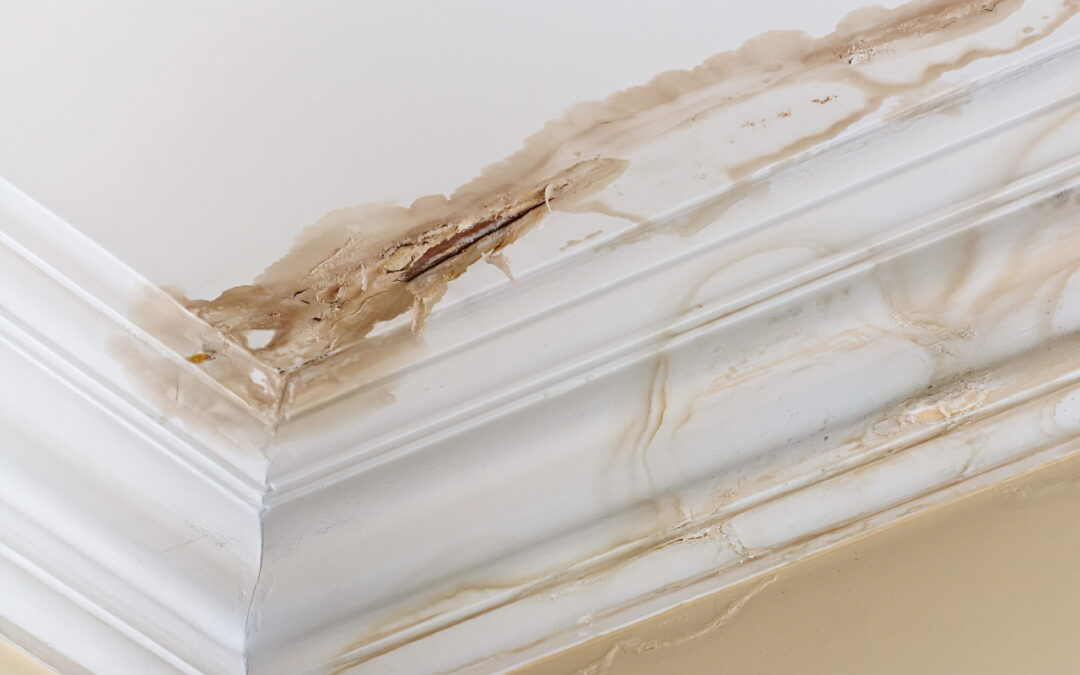
Water is the single most destructive force in residential construction. Moisture problems in the home develop quietly behind walls, beneath floors, inside crawl spaces, often for months or years before visible symptoms appear. By the time a homeowner notices a damp smell, a soft spot in the floor, or discoloration on the ceiling, the damage is typically already significant. Understanding how moisture enters homes, where it tends to accumulate, and how to address it proactively is one of the most valuable skills any homeowner can develop.
Why Moisture Problems Deserve Immediate Attention
Unchecked moisture in a home doesn’t stay contained. It migrates through building materials, feeds mold and mildew, degrades structural wood, corrodes metal components, and creates indoor air quality issues that affect everyone inside. What begins as a minor condensation issue or a slow drip under a sink can compromise the integrity of subfloor framing, wall sheathing, and even foundation elements over time. The financial consequences are significant. Moisture problems caught early are often minor repairs, such as sealing a penetration, fixing a gutter, or repairing a plumbing connection. Discovered late, they frequently require extensive remediation, structural repairs, and mold treatment that could run into the tens of thousands of dollars.
Where Moisture Problems Most Commonly Occur
Understanding the most common entry points and accumulation zones helps homeowners know where to look before symptoms develop. Basements and crawl spaces are the most vulnerable areas in most homes. They sit below or partially below grade, surrounded by soil that holds moisture year-round. Without adequate waterproofing, vapor barriers, and ventilation, these spaces accumulate humidity that transfers into living areas above. Efflorescence, white powdery deposits on concrete walls, is an early warning sign of moisture migration through the foundation. Bathrooms are another primary source of moisture problems. Steam that isn’t exhausted to the exterior condenses on walls and inside wall cavities, feeding mold growth that remains hidden for years. An exhaust fan that vents into the attic rather than through the roof simply moves the problem rather than solving it. Roof and flashing failures allow water to enter at the most vulnerable intersections of the structure. These areas deteriorate over time and, when not inspected regularly, allow water intrusion that travels far from the entry point before it becomes visible.
Diagnosing and Addressing Moisture Problems at Their Source
Diagnosing moisture problems accurately is more important than treating symptoms. A musty smell may indicate mold that has already developed. Finding the moisture source is the prerequisite to any effective repair. A moisture meter is an inexpensive and useful tool for homeowners. Pressing the probes against walls, subfloor materials, and framing near suspected problem areas gives a quantitative moisture content reading, far more reliable than surface appearance alone. For below-grade moisture problems, solutions range from improving exterior drainage and regrading soil away from the foundation to interior waterproofing systems with drainage channels and sump pumps. The right solution depends on where the water is coming from; hydrostatic pressure requires a different approach than surface runoff entering through window wells.
Prevention: The Most Cost-Effective Moisture Strategy
Most moisture problems are preventable through consistent attention to the systems that manage water around the home. Gutters and downspouts that are clean and direct water well away from the foundation are one of the highest-return maintenance investments available. A clogged gutter overflows at the roofline and deposits water directly against the foundation, one of the most common contributors to basement moisture issues. Bathroom and kitchen exhaust fans should be checked regularly to ensure they vent to the exterior. Caulk around windows, doors, and exterior penetrations should be refreshed periodically as it ages. And maintaining indoor humidity between 30 and 50 percent reduces condensation on cold surfaces and the moisture problems that condensation feeds over time.
Frequently Asked Questions (FAQs)
How do I know if I have moisture problems in my home?
Common indicators include musty odors, visible mold or mildew, peeling paint or wallpaper, staining on walls or ceilings, soft spots in flooring, condensation on windows, and efflorescence on basement walls.
What’s the difference between a dehumidifier and waterproofing for basement moisture problems?
A dehumidifier manages airborne humidity but does nothing to stop water from entering through walls or the floor. Waterproofing addresses the entry of water itself. For basements with active water intrusion, a dehumidifier alone is inadequate. For basements that are structurally dry but humid due to airborne moisture, a dehumidifier is often sufficient.
Can moisture problems in the home make you sick?
Yes. Mold spores from active growth are respiratory irritants that can aggravate asthma and allergies and cause respiratory infections. High indoor humidity also encourages dust mite populations, a significant allergen source.
How do I prevent condensation on windows?
Condensation forms when indoor air is significantly more humid than the glass surface allows. Reducing indoor humidity through ventilation, exhaust fans, and dehumidification is the most direct solution. Upgrading to double or triple-pane glazing raises the glass surface temperature and reduces condensation potential.
Should I be concerned about moisture problems in a home I’m considering buying?
Absolutely. Moisture damage is one of the most expensive repair categories and one of the most commonly undisclosed conditions. Ask your inspector to pay close attention to basements, crawl spaces, bathrooms, and the roof and attic. Staining patterns, soft spots in flooring, and musty odors in enclosed spaces all warrant follow-up investigation before closing.
Realistic Home Inspection Services offers inspections in the greater Milwaukee area. Contact us to schedule an appointment for our services.